How Nutraize's Food Recognition AI Works — Simple Breakdown
No PhD required. A plain-English explanation of how we identify food from photos.

Ajay Rathore
January 5, 2026 • 7 min read
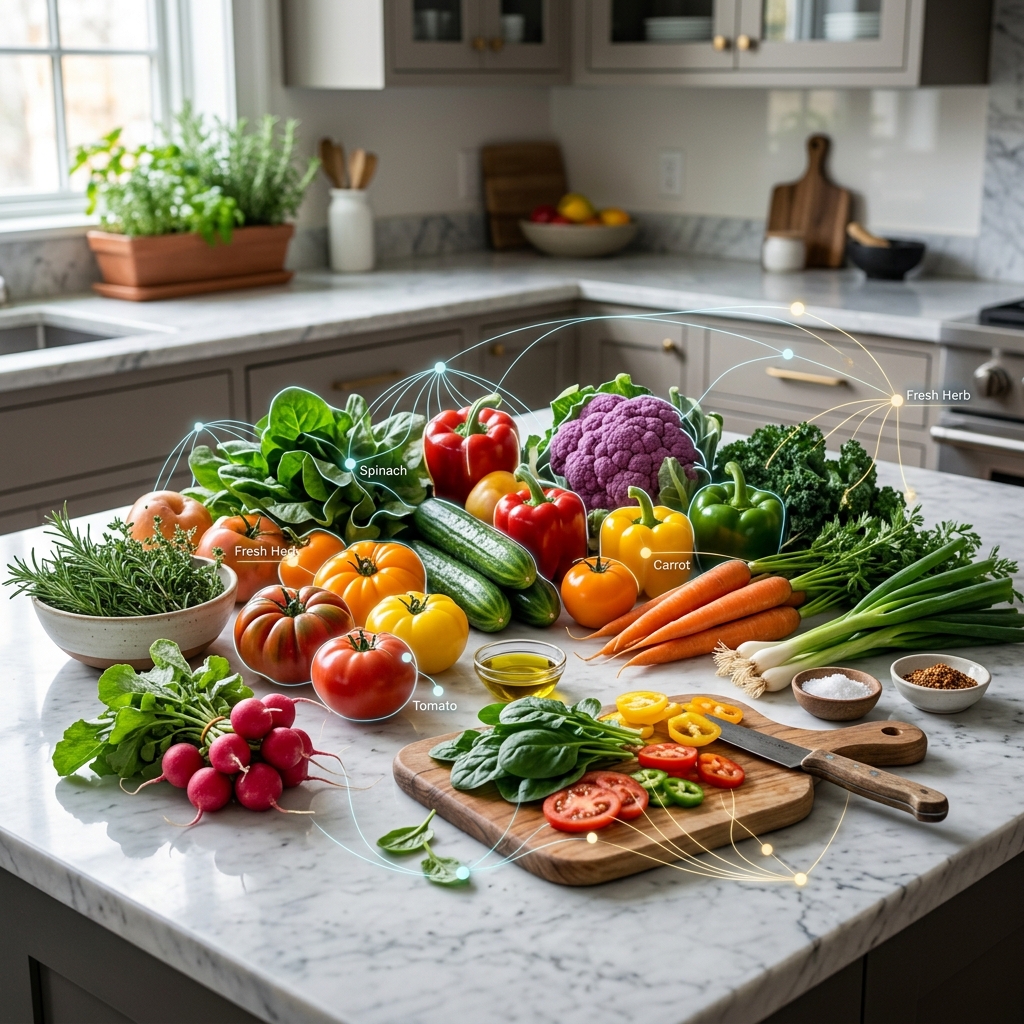
1. High-Level Overview
Nutraize uses a combination of computer vision, deep learning, and nutritional databases to identify food items from photos and estimate their calories automatically.
The system has been trained on millions of images across Indian, Asian, Western, and mixed dishes so it can recognize real-world meals — not just perfect studio food photos.
When you take a picture inside the app:
- The photo is sent securely to our recognition engine.
- The model identifies the individual foods in the image.
- Portions are estimated using visual cues such as plate size, volume, and texture.
- Calories and macros are calculated using our large nutrition database.
- The result appears on your screen in under 3 seconds.
The entire process is fully automated — no typing, scrolling, or searching required.
2. How Image Recognition Works
The first step is understanding what the meal contains.
Nutraize uses a YOLO-based detection model (You Only Look Once) optimized for food items. Instead of scanning the image multiple times, YOLO identifies everything in a single pass, which is why results are fast.
The system does three things:
1. Locates foods
It draws invisible bounding boxes around each item — rice, dal, roti, vegetables, pasta, chips, etc.
2. Classifies each item
Once items are located, the model assigns the most likely food label based on visual features like:
- Color
- Texture
- Shape
- Context (e.g., plate layout, bowl sizes)
- Common food pairings
Example: A plate with rice, dal, and sabzi is correctly split into three different food items, even if they are touching.
3. Filters out non-food
The AI ignores:
- Plates
- Spoons
- Table
- Background
- Branded items
- Shadows
This ensures only edible items are analyzed.
3. How Portion & Calorie Estimation Works
Identifying the food is just step one. Estimating calories is the real challenge — and where Nutraize differentiates itself.
The AI estimates portion size using:
Volume and area detection
The model compares the food area to known reference sizes:
- Plate width
- Bowl diameter
- Food height and density
Visual density cues
A spoonful of dal looks different from a spoonful of paneer. Rice has a different surface texture than poha. These visual cues help estimate weight more accurately.
Standardized serving comparisons
Once a portion size is estimated visually, the app maps it to a structured nutrition entry from our database, which contains:
- Calories
- Protein
- Carbs
- Fats
- Fiber
- Serving size (grams/ml)
Example: If you take a picture of a small portion of rice, Nutraize might classify it as:
"Rice — 120g equivalent → ~155 kcal"
All without typing a single word.
4. Continuous Learning
Nutraize improves every time users correct or adjust a serving.
When you:
- rename an item
- adjust the amount
- change the portion
- pick a different food from the list
This data helps the model understand:
- your eating style
- common Indian meal patterns
- portion variations
- plate/bowl size differences
- regional foods
- new meals encountered in everyday cooking
Over time, Nutraize becomes:
- more accurate
- more personalized
- better at recognizing your recurring dishes
This means the more you use Nutraize, the better it gets for you personally.
5. Why It Matters
Food tracking apps fail because manual entry is:
- boring
- slow
- inaccurate
- frustrating during busy schedules
Nutraize's AI recognition removes all the friction.
The goal is simple:
"If it takes longer than 5 seconds, you won't stick with it. So Nutraize brings it down to 3 seconds — every time."
This turns calorie tracking from a chore into something effortless.